

Cognizant Interview Questions: 2 from Real Interviews

Cognizant's engineering process varies by hiring track, location, and client account. A typical process includes an aptitude or communication assessment, a stack-specific technical assessment, a technical interview, and an HR interview. Expect questions on the role's language and framework, SQL, object-oriented principles, and your past work.
What to Expect: Cognizant Interview Process
Early-career hiring may include a communication assessment, cluster coding, training, and a final technical evaluation. Experienced candidates may complete one or two technical rounds before an HR or client conversation. Ask whether the role supports a named client because that client may change the stack and add a project round.
Recent .NET- and Java-focused accounts described questions on language and framework fundamentals, object-oriented programming, SQL, availability, and role expectations. The process may be remote, in person, or hybrid.
How to Prepare and Pass Cognizant Interviews
Plan four weeks for a current opening. Spend week one on language fundamentals and object-oriented design, week two on SQL joins, aggregation, indexing, and debugging, week three on small coding problems, and week four on project explanations and HR interview questions.
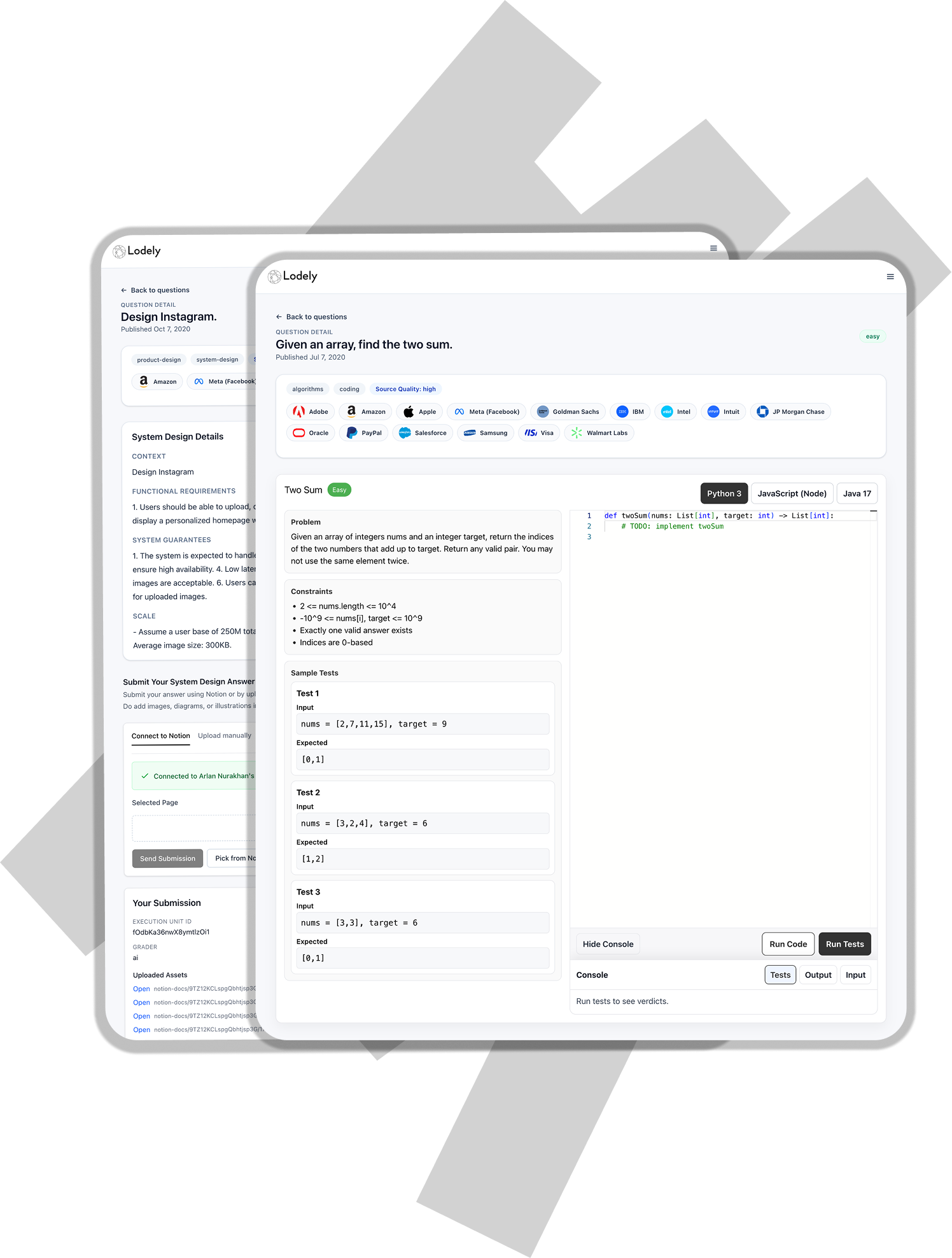
Because Cognizant hires across many service areas, use Lodely alongside the exact job description. The company-specific question set is small, so focus on the stated language, cloud platform, database, and client domain.

Cognizant Interview Breakdown
Tell Me About Yourself
Type: Behavioral opening. What It Tests: Relevance, organization, and communication. The Trick: Give a 90-second answer that covers your recent work, strongest technical evidence, and reason for applying.
Tell Me About Your Experience With JavaScript
Type: Technical experience review. What It Tests: Practical knowledge of the language, runtime, and ecosystem tools. The Trick: Use one project to explain asynchronous behavior, testing, performance, and a bug you fixed.
These two examples come from the company-specific set. Use the named stack to guide the rest of your preparation because Java and Spring roles require different depth than data, cloud, and front-end roles.
What Comes After The Interview
Some roles include a client or manager round before the offer stage, and response times vary. Ask who owns the decision and whether the role supports a named project. Compensation varies by country and grade. Compare local base pay, variable compensation, allowances, and the notice period.
Candidate Experiences
One developer candidate described an aptitude test, a technical test, and a technical interview covering Java fundamentals, object-oriented concepts, and SQL queries. An HR interview then covered the candidate's background, role expectations, and availability. The candidate found the process well structured and professional but declined the offer. Prepare a concise explanation of each fundamental concept and one example from a real-world project.
Conclusion
Cognizant evaluates how well your preparation matches the role. Use Lodely as a company-specific starting point, then use the job description to practice explaining both fundamentals and past experience.
✉️ Get free faang interview cheat sheet and interview tips weekly
✉️ Get free faang interview cheat sheet and interview tips weekly